The rule changes how the department decides whether a worker is an employee, with a minimum wage and overtime, or an independent contractor.
File photo: Labor Secretary Lori Chavez-DeRemer in her official portrait, March 2025. Photo: U.S. Department of Labor, Shawn T. Moore
By News Unc ·
The Labor Department's final rule on who counts as an employee and who counts as an independent contractor is scheduled to appear in the Federal Register on Monday, Nov. 23, and is on public inspection now. The department announced the rule on Nov. 19.
The rule applies to three federal laws: the Fair Labor Standards Act, which sets the minimum wage and overtime pay; the Family and Medical Leave Act; and the Migrant and Seasonal Agricultural Worker Protection Act. Those protections cover employees, not independent contractors, which is why the classification matters to workers.
According to law firm Gibson Dunn, the rule readopts the department's 2021 interpretation of who qualifies as an independent contractor and replaces the standard adopted in 2024, which SHRM also reported. The new rule puts two questions at the center: how much control the worker has over the work, and the worker's opportunity for profit or loss. Insurance Journal reported that the change makes it easier for companies to classify workers as contractors.
The department's Wage and Hour Division has posted an updated fact sheet and a compliance guide for small businesses. Workers who think they have been misclassified can contact the Wage and Hour Division.
New claims were 203,000 in the week ended Nov. 14. The number already collecting benefits rose by 70,000 to 1.763 million, the most since late August.
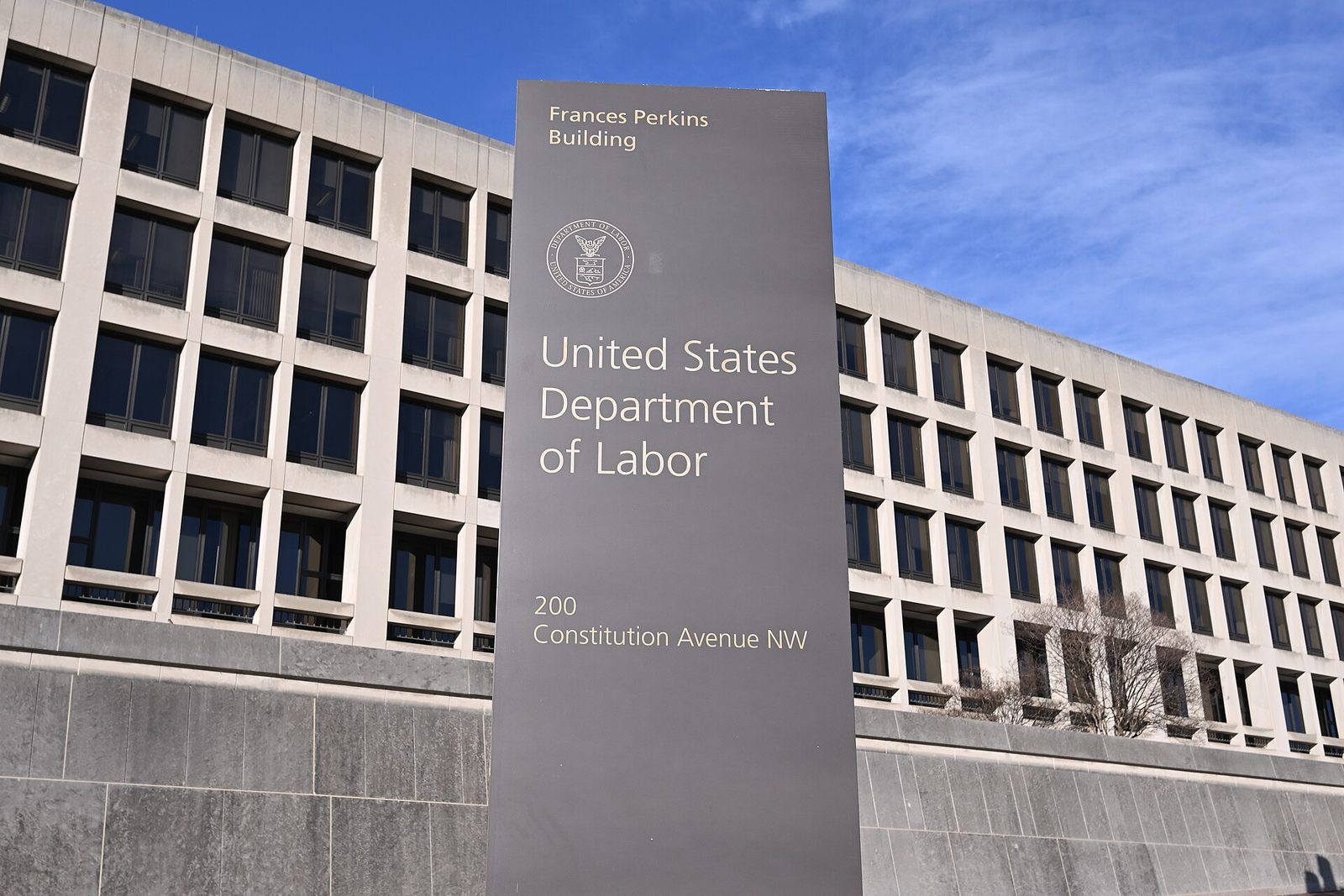
The Labor Department's headquarters in Washington, which publishes the weekly claims report. File photo from February 2025. Photo: G. Edward Johnson, CC BY 4.0, via Wikimedia Commons
By News Unc ·
Few Americans are losing their jobs, but those who do are taking longer to find the next one. That is the picture in the Labor Department's weekly report on unemployment claims, released Thursday, Nov. 19.
New claims for state unemployment benefits rose by 1,000 to a seasonally adjusted 203,000 in the week ended Nov. 14, the department said. The week before was revised up by 2,000 to 202,000, making it two weeks in a row above 200,000. The four-week average, which smooths out weekly swings, rose by 2,000 to 197,750. Economists polled by Reuters had expected 197,000 new claims.
The larger move was among people already on benefits. Continuing claims, which run a week behind, rose by 70,000 to 1.763 million in the week ended Nov. 7, the highest since late August, according to reports on the release. A rising count of continuing claims while new claims stay low usually means laid-off workers are taking longer to be rehired. Reuters described some laid-off workers as struggling to find new opportunities.
Before seasonal adjustment, states recorded 197,492 new claims, down 11,941 from the week before, Quartz reported from the release. Michigan was the exception, with unadjusted filings up 6,095, more than reversing its drop the week before, according to Reuters.
Weekly claims are the fastest official read on layoffs, but they bounce around, especially near holidays, and one week is not a trend. The unemployment rate was 4.1% in October, the Bureau of Labor Statistics said on Nov. 6. The November jobs report is due Friday, Dec. 4.
If you have just lost a job, you apply for benefits through your state's unemployment office, and filing is free. Our Jobs Tracker links to the official benefits finder for every state.
Employers had announced 470,400 seasonal jobs through October, a tracking firm says. Amazon and UPS make up 400,000 of them, and fewer companies have announced plans at all.
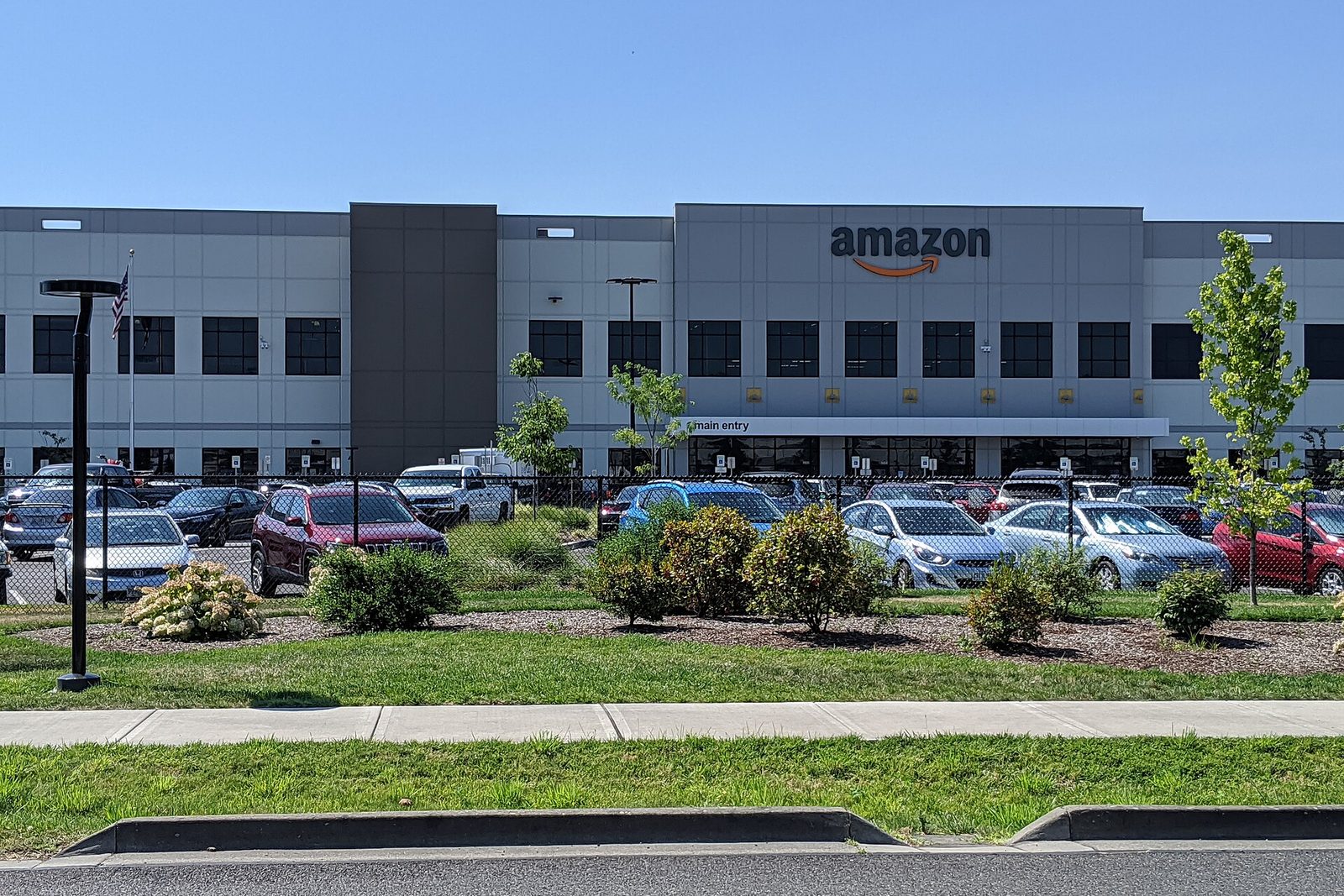
An Amazon fulfillment center in Troutdale, Oregon. File photo from July 2020. Photo: Tedder, CC BY-SA 4.0, via Wikimedia Commons
By News Unc ·
If you are looking for holiday work, the openings are concentrated in warehouses and delivery this year, not behind store counters.
U.S. employers had announced plans to hire 470,400 seasonal workers through October, the outplacement firm Challenger, Gray & Christmas said in its monthly report on Nov. 5. That is 26% more than the 372,520 announced by the same point in 2025, which was the lowest in the firm's records going back to 2012, but still below the 660,150 announced by that point in 2024.
Two employers account for most of the total. Amazon said it would hire 300,000 seasonal workers, the largest single seasonal announcement Challenger has tracked, and UPS said it would hire 100,000 after making no announcement last year. Only five companies had announced seasonal plans, compared with 11 at the same point a year ago, the report said. Retailers announced 13,300 hiring plans in October.
These are announcements, not hires. Challenger counts what companies say they intend to do; it does not measure how many people are actually brought on, and many large retailers hire for the holidays without announcing a number. In September the firm predicted retailers would add about 450,000 jobs in the last three months of the year, fewer than last year.
The same report counted 43,994 announced job cuts in October and 617,189 for the year through October, down 44% from the same period of 2025. "This is a low-fire environment," the firm's Andy Challenger said in the report.
A caution for applicants: seasonal hiring is also a busy season for fake job offers. The Federal Trade Commission's advice is not to pay anything to get a job and not to hand over a bank account, credit card or Social Security number at first contact. Apply through the company's own careers page rather than a link in a text message.
Reports of job scams to the FTC nearly tripled between 2020 and 2024. The agency's first rule: a real employer never asks you to pay to be hired.
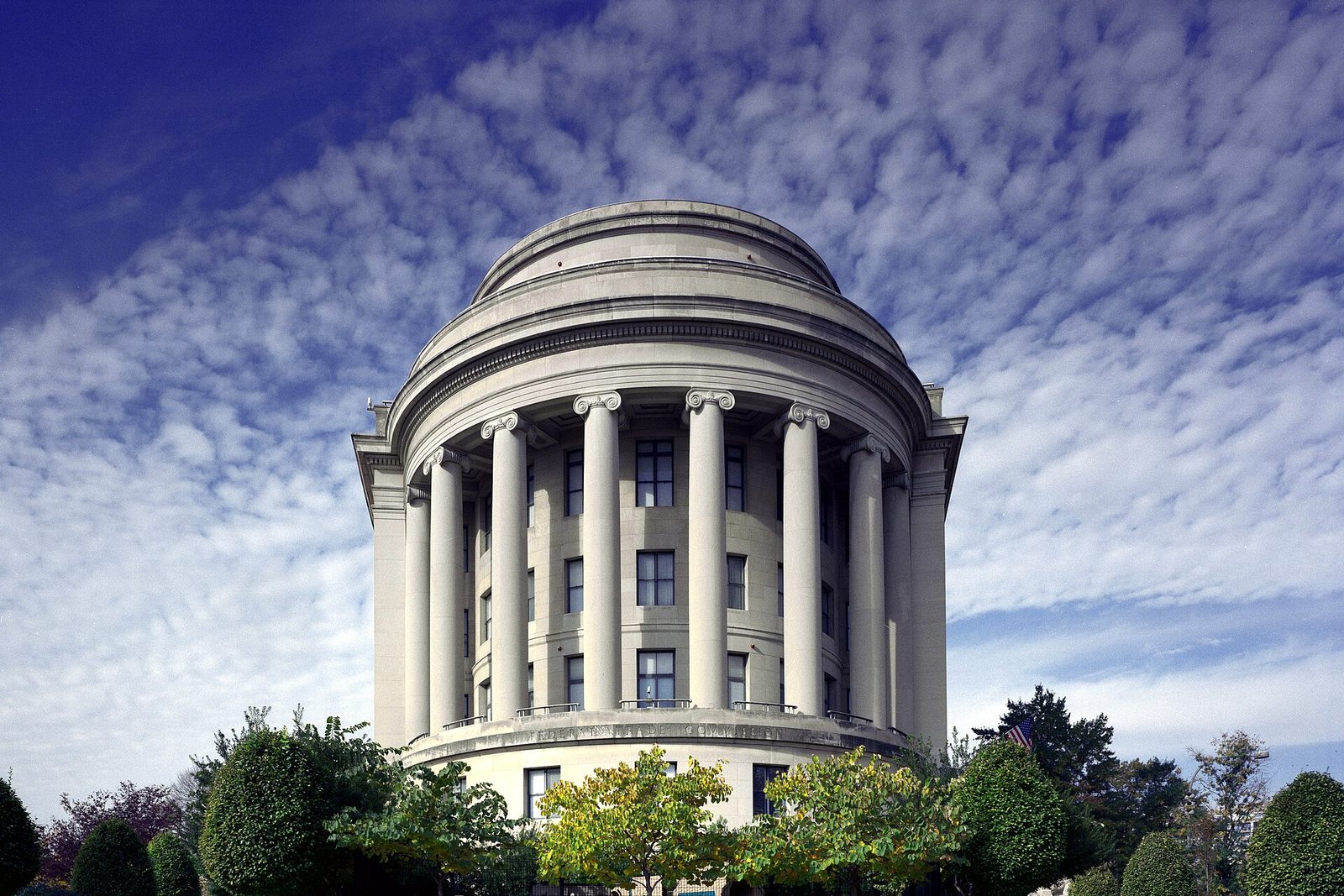
The Federal Trade Commission's headquarters in Washington. File photo from November 2005. Photo: Carol M. Highsmith, Library of Congress, public domain, via Wikimedia Commons
By News Unc ·
News Unc is adding a Jobs & Work beat and a Job Search page today. Before you use ours or anyone else's, it is worth knowing how fake job offers work, because they have multiplied.
People filed more than 105,000 reports of job scams with the Federal Trade Commission in 2024, nearly three times the number in 2020, and reported losing more than $513 million, the agency said in September 2025. Those are only the cases people reported.
The FTC's consumer guidance comes down to a few tests. First, never pay to get a job. Anyone who asks for money for training, certification, equipment or a starter kit before you are hired is running a scam, the agency says. Second, if an "employer" sends you a check and asks you to deposit it and send part of the money somewhere else, stop; the check will bounce and the money you sent is gone. Third, do not give a bank account, credit card or Social Security number to someone who has contacted you out of the blue.
Offers that arrive by unexpected text message are a common starting point, according to the agency. So are ads that promise government or postal jobs. Information about federal and Postal Service openings is free and it is always free to apply; the FTC says not to pay a fee or respond to ads that promise those jobs. A placement firm that wants a fee up front is another sign to walk away.
Before applying, look the company up on your own and find the opening on its own careers page. Talk the offer over with someone you trust. If you already paid, contact the bank or payment service right away and ask whether the payment can be reversed.
On our Job Search page, every result links to the original posting on the employer's or the government's own site, and that is where you apply. For federal jobs we point you to USAJOBS, the government's official job site. News Unc does not take applications, never charges job seekers and will never ask for your personal information. Report a job scam to the FTC at ReportFraud.ftc.gov.