Senate Passes a Bipartisan Bill to Speed Energy Project Permits
The 62-33 vote sends the bill, known as BAAJA, to the House, where it faces doubts from Democrats about environmental rules.
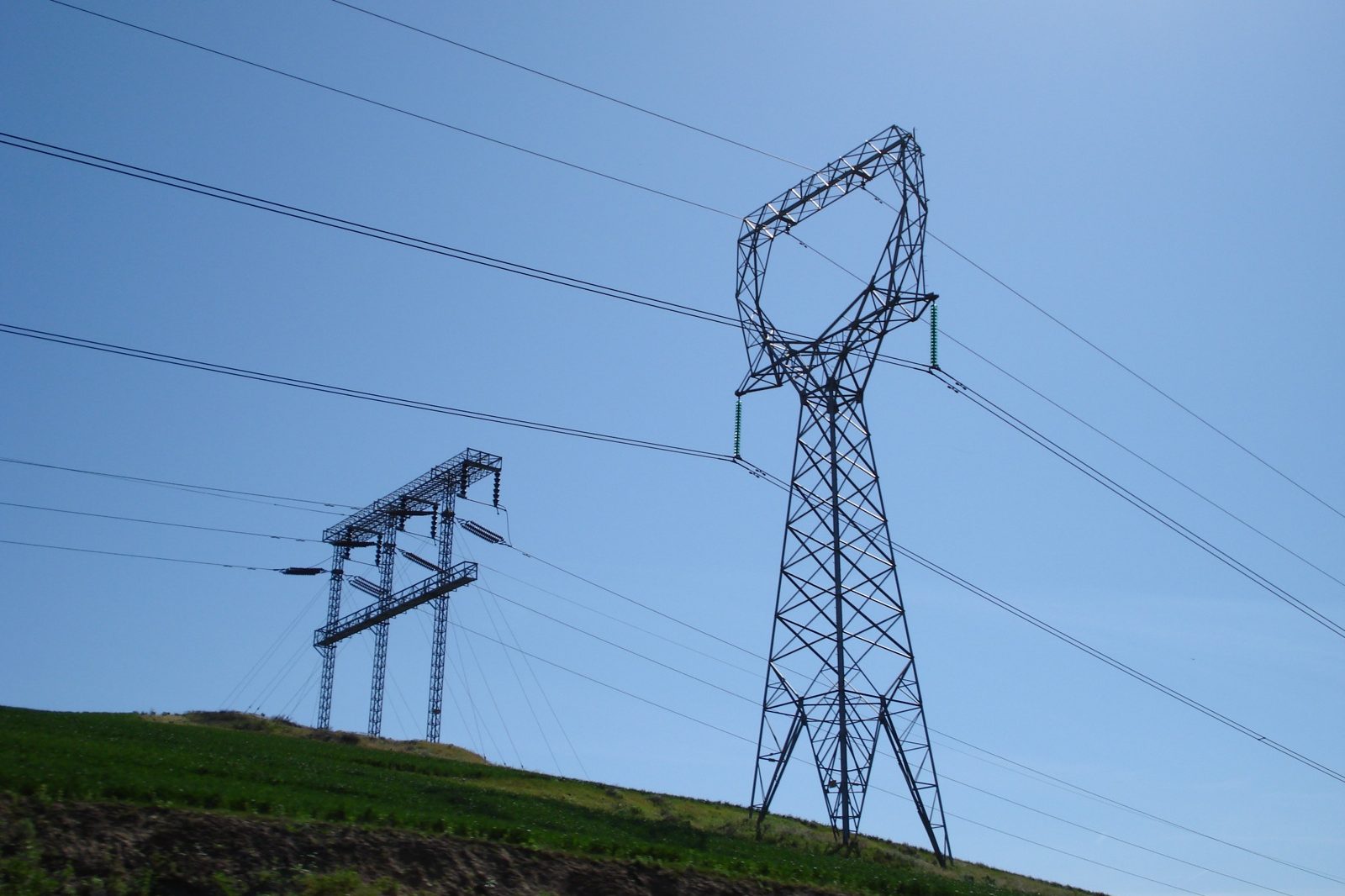
The Senate on Thursday passed a bipartisan bill to speed federal permits for energy and infrastructure projects, 62-33, CBS News reported. Most Republicans voted yes, joined by 14 Democrats and one independent, according to a Yahoo News report, which named the bill the Bipartisan American Affordability and Jobs bill, known as BAAJA.
The bill aims to shorten approvals for large projects, including power plants, grid upgrades and data centers, covering oil, gas and coal as well as wind and solar. Supporters say faster permits will lower energy costs. Sen. Shelley Moore Capito, a co-author, said that with the Senate vote, permitting reform "finally became reality." President Trump has said he supports the deal, CBS reported.
Sen. Jeff Merkley of Oregon, an opponent, said, "Embedded in this bill is a fundamental question about the direction we go regarding our responsibilities to this planet." He said it could open the way for wind and solar projects but that he expected the administration to block them in favor of fossil fuels. Other Democrats worry it could weaken environmental rules.
The bill now goes to the House. Democrats will take the House majority in January 2027.
Sources