El Niño Fueled a Record Pacific Hurricane Season and a Quiet Atlantic
As the season ends Monday, NOAA says the eastern and central Pacific had their most active year on record while the Atlantic produced only Isaias.
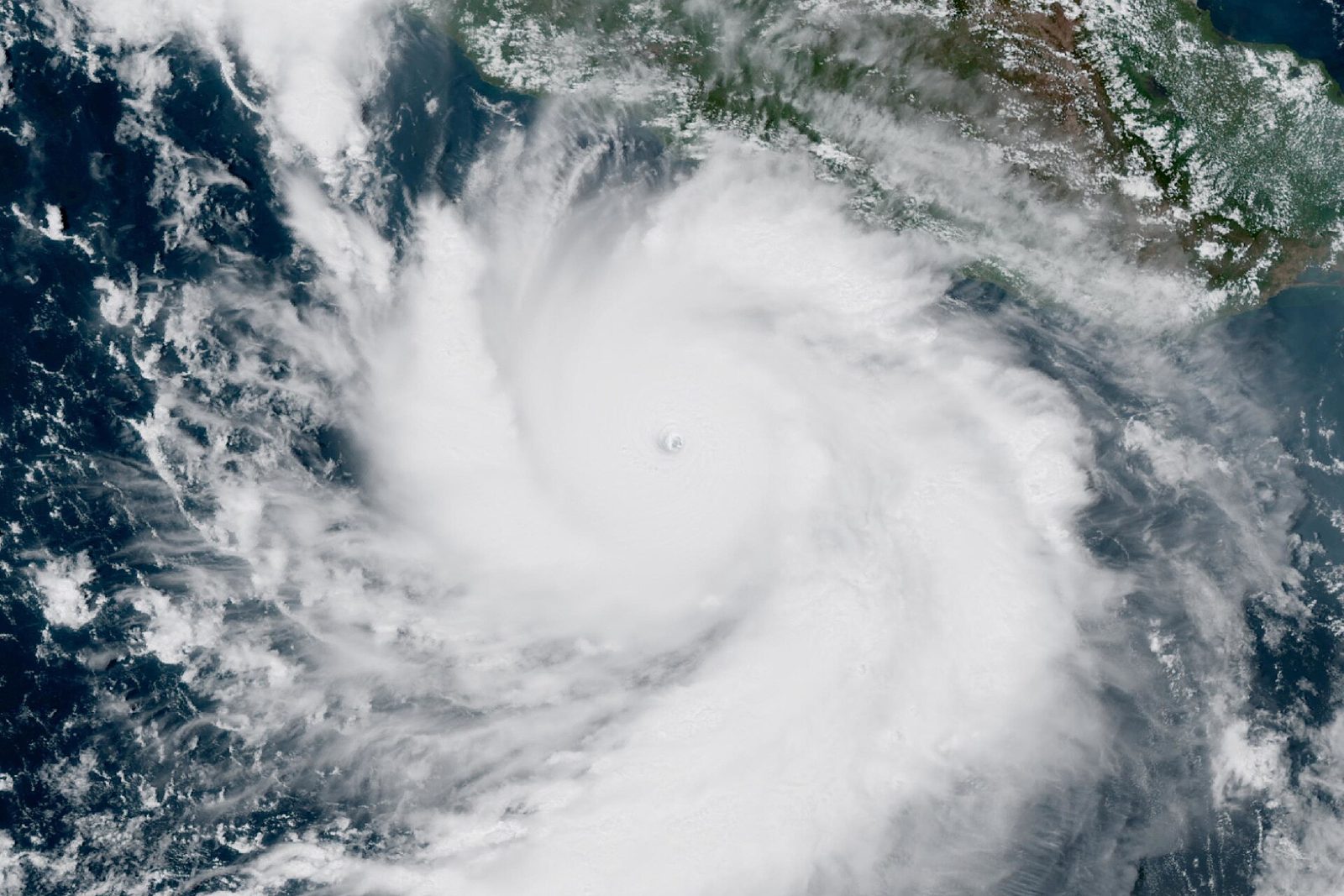
The Atlantic and eastern Pacific hurricane seasons end Monday, Nov. 30, and NOAA says this year showed how strongly El Niño shapes them: a notably quiet Atlantic and an exceptionally busy Pacific. NOAA's satellite service described the season in a wrap-up published Nov. 24.
The Atlantic had 10 named storms through Nov. 24, against a long-term average of 14, and only one, Isaias, became a hurricane. Isaias reached Category 3 strength and made landfall as a Category 2 storm on the Florida Panhandle near Destin. Based on preliminary data, its formation on Oct. 7 was the latest date for the Atlantic's first hurricane since the satellite era began in 1966, NOAA said.
The eastern Pacific produced 20 named storms, against an average of 15. Ten became hurricanes and eight of those were major hurricanes. Genevieve, Lowell and Polo all rapidly intensified to Category 5; Polo had the second-lowest pressure ever observed in the eastern Pacific, behind Patricia in 2015, before landfalls in Baja California Sur and near Guaymas, Mexico. The central Pacific saw eight tropical cyclones, about twice its usual four to five, and Lala, Lowell and Nolo brought damaging winds, surf and flooding to Hawaii, NOAA said.
Together, the central and eastern Pacific had their most active season on record by Accumulated Cyclone Energy, a measure of storms' combined strength and duration: 359.5, beating the 318 set in 2018, WFTV reported from NOAA's summary. El Niño typically raises wind shear over the Atlantic, tearing at developing storms, while making conditions more favorable in the Pacific, NOAA said, and this year's event is among the strongest on record.
"This included accurately predicting this year's very strong El Nino months in advance," NOAA Administrator Neil Jacobs said, according to WFTV.
Sources