Canada's Supreme Court Largely Upholds Quebec's Religious Symbols Ban
A 4-3 ruling leaves Bill 21 in place for teachers, police and other public workers, but not for members of the legislature.
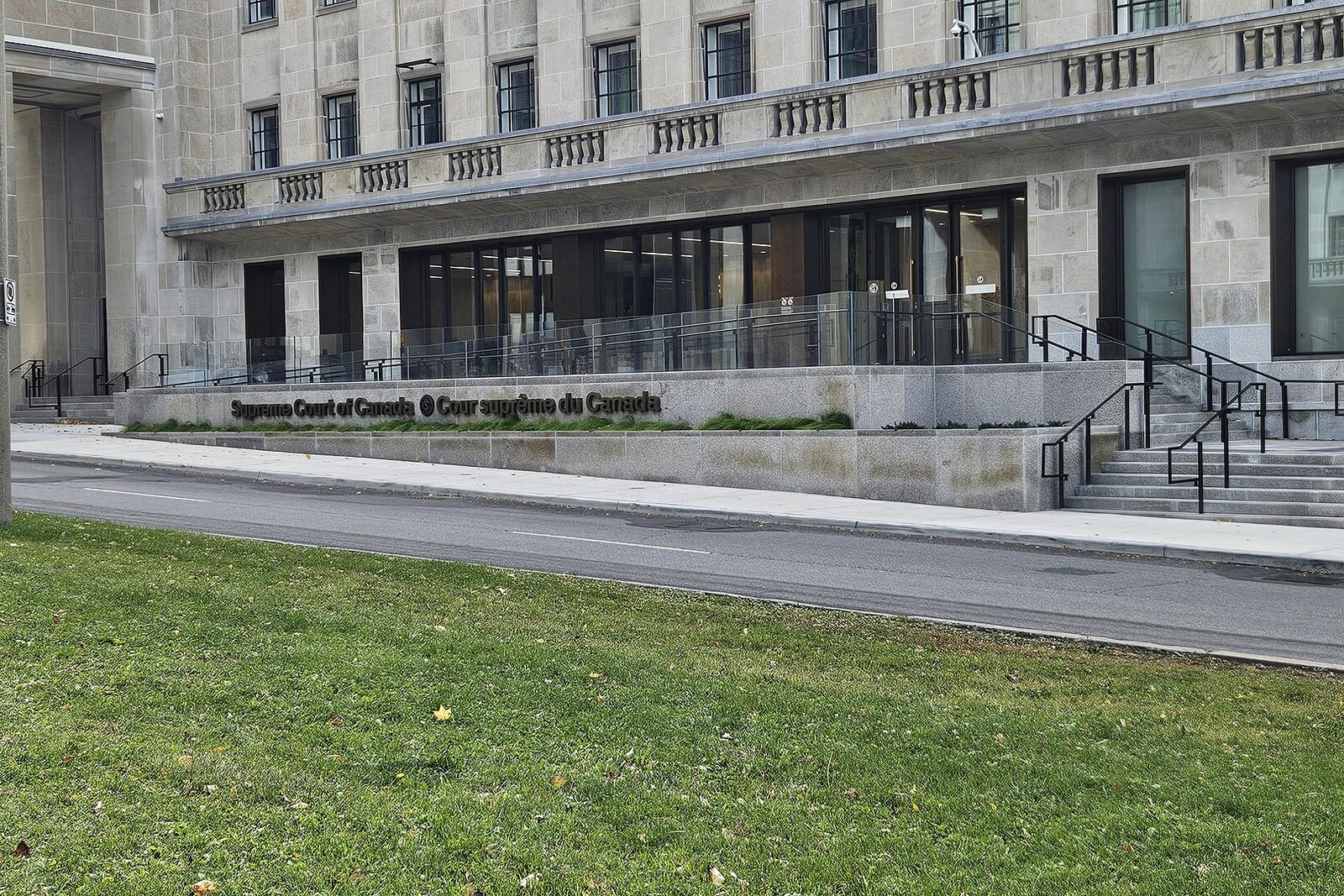
Canada's Supreme Court on Friday largely upheld Quebec's secularism law, known as Bill 21, which bars some public employees, including public school teachers and police officers, from wearing religious symbols such as hijabs, turbans and kippahs at work, CBC News and Al Jazeera reported.
Four of the seven justices, including Chief Justice Richard Wagner, found the law constitutionally valid; three dissented, saying it violates the Charter of Rights and Freedoms' guarantee of equal rights for men and women. "Bill 21 is rooted in Quebec's legitimate and historical commitment to ensuring the laicity of the state in a free and democratic society," Wagner wrote, according to CBC. The court dismissed all the appeals, but said the law's rules cannot be applied to members of Quebec's National Assembly, because that would infringe elected officials' democratic rights.
The court also ruled that Quebec used the Charter's notwithstanding clause lawfully. The clause lets a government keep a law in force for up to five years, renewable, even if it overrides certain Charter rights; Quebec invoked it in 2019 and renewed it in 2024. "It is not open to the courts to place additional limits on the exercise of the override power," the decision said, according to Al Jazeera.
Challengers criticized the decision. The National Council of Canadian Muslims called it "a dark day in our constitutional democracy," Al Jazeera reported, and The Globe and Mail said rights groups vowed to keep fighting while several premiers welcomed the ruling.
Sources