Netanyahu and Eisenkot Meet to Discuss a Unity Government
The rivals met a day after Netanyahu offered Eisenkot the first turn as prime minister. Eisenkot has until Dec. 6 to form a government.
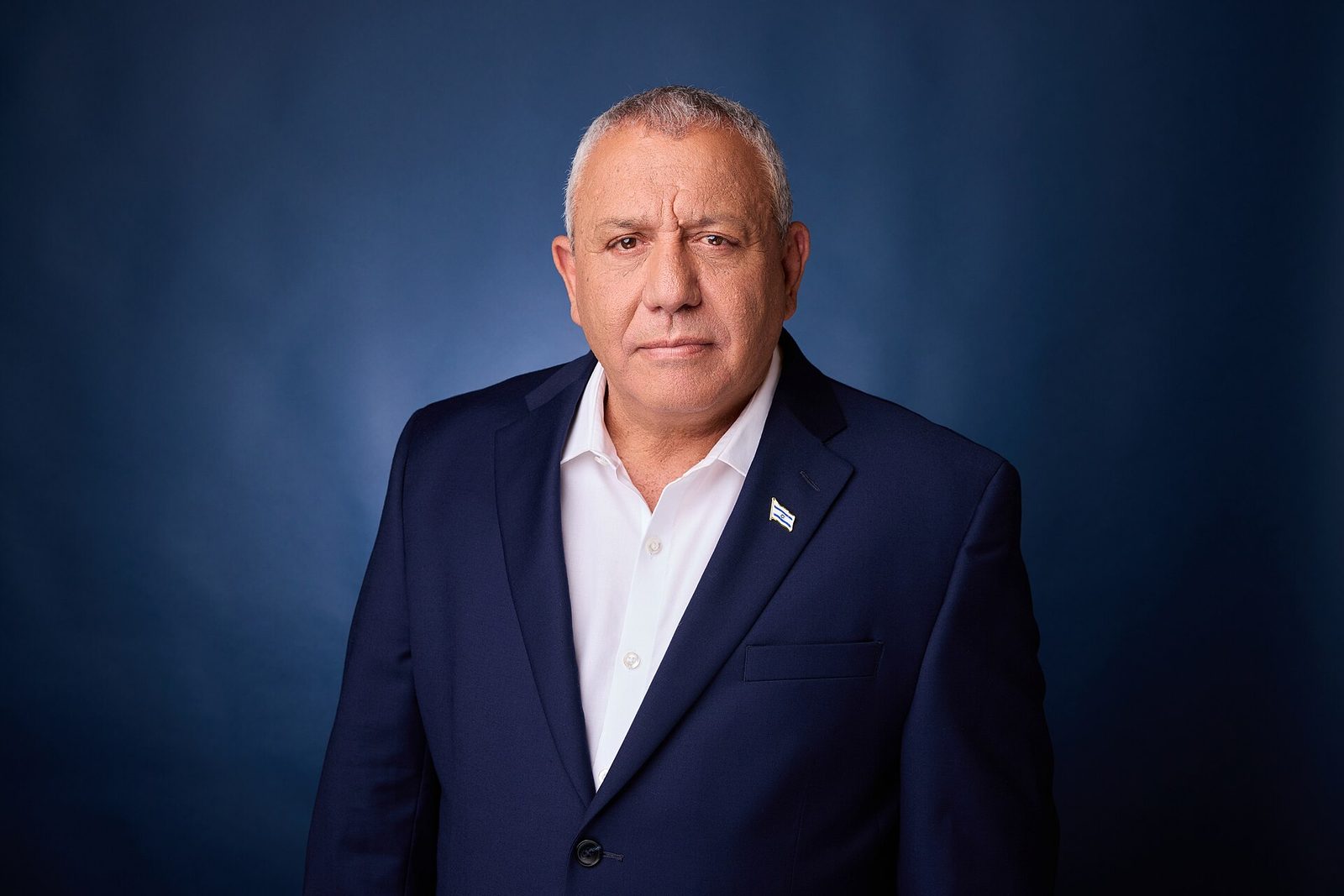
Israeli caretaker Prime Minister Benjamin Netanyahu and opposition leader Gadi Eisenkot met Sunday morning to discuss forming a unity government, the Associated Press reported. A joint statement from their parties said the meeting began with a security briefing and then turned to "the formation of a national unity government," with "both sides seeking to bridge the substantial differences between them." Al Jazeera said the meeting was held at Israeli military headquarters in Tel Aviv.
The talks took on new urgency after Netanyahu said Saturday night that he was willing to let Eisenkot serve first as prime minister in a rotation arrangement. Netanyahu has not said publicly when the handover from Eisenkot to him would take place, Al Jazeera reported. Eisenkot said that if Netanyahu's Likud party was "ready for genuine unity," he was prepared to see how serious it was over the next 24 hours, and he has accused Netanyahu of dragging out talks to force another election.
President Isaac Herzog gave Eisenkot the job of forming a government about three weeks ago, after the Oct. 27 election left neither bloc with a clear majority. Eisenkot has until Dec. 6 and could ask for a single 14-day extension, which he has ruled out, Al Jazeera said. Earlier talks between the two stalled over who would lead and whether far-right National Security Minister Itamar Ben-Gvir would be included: Likud reportedly wants him in, and Eisenkot's Yashar party insists he stay out. Arab-led parties won a record 19 of the Knesset's 120 seats, and both men's blocs have refused to rely on them, Al Jazeera reported.
Sources