New Zealand's Final Count Leaves a Hung Parliament
Prime Minister Christopher Luxon's three-party bloc ends one seat short of a majority, leaving the Opportunity Party's seven MPs in a pivotal spot.
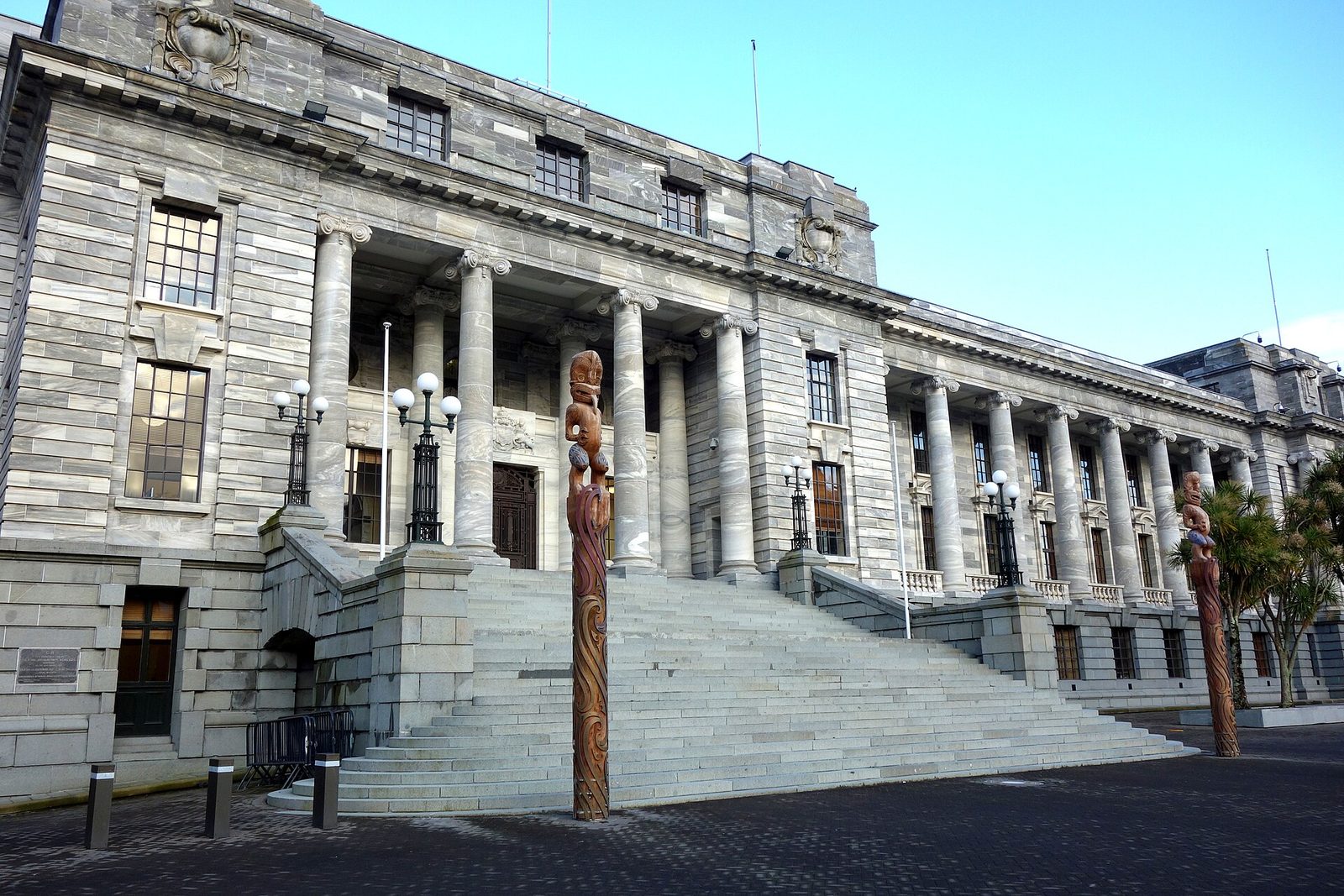
New Zealand's Electoral Commission declared the official results of the Nov. 7 general election on Friday, Nov. 27, local time, and they leave no bloc with a majority in the 130-seat Parliament. Sixty-six seats are needed to govern alone.
The National Party has 40 seats, two fewer than on election night, all of them won in electorates. Labour has 36, the Greens 17 (up one), ACT 13, New Zealand First 12, the Opportunity Party seven and Te Pāti Māori five, according to the commission. Labour won the largest share of the party vote, 29.88%, to National's 28.35%. The Parliament has an overhang of 10 seats because National and Te Pāti Māori won more electorates than their party vote would otherwise give them.
That puts the governing coalition of National, ACT and NZ First at 65 seats, one short. Labour, the Greens and Te Pāti Māori have 58, PMN News reported. With Opportunity, led by Qiulae Wong, the current coalition would have 72 seats; if Opportunity instead backed the left bloc, the two sides would be tied at 65, and a minority government could still form with confidence-and-supply support, PMN said.
Special votes moved three electorates: Labour's Georgie Dansey won Hamilton East by 173 votes and Labour's Kieran McAnulty won Wairarapa by 81, both over National candidates, and the Greens' Julie Anne Genter won Wellington Bays by 1,610 over Labour. Luxon, now leading a caretaker government, said "Kiwis won't thank us for sending them back to the polls," Newsroom reported. Labour leader Chris Hipkins said he would not make decisions on his future as leader yet.
Turnout of enrolled voters was 77.2%, down from 78.2% in 2023. Applications for judicial recounts are due by Wednesday, Dec. 2; if there are none, the commission will return the writ and declare list MPs elected on Thursday, Dec. 3.
Sources